
A community pool is a water treatment system that people swim in. It needs daily attention to circulation, chemistry and filtration, and it is unforgiving of gaps — two neglected days in summer are visible to every resident and take a week to correct.
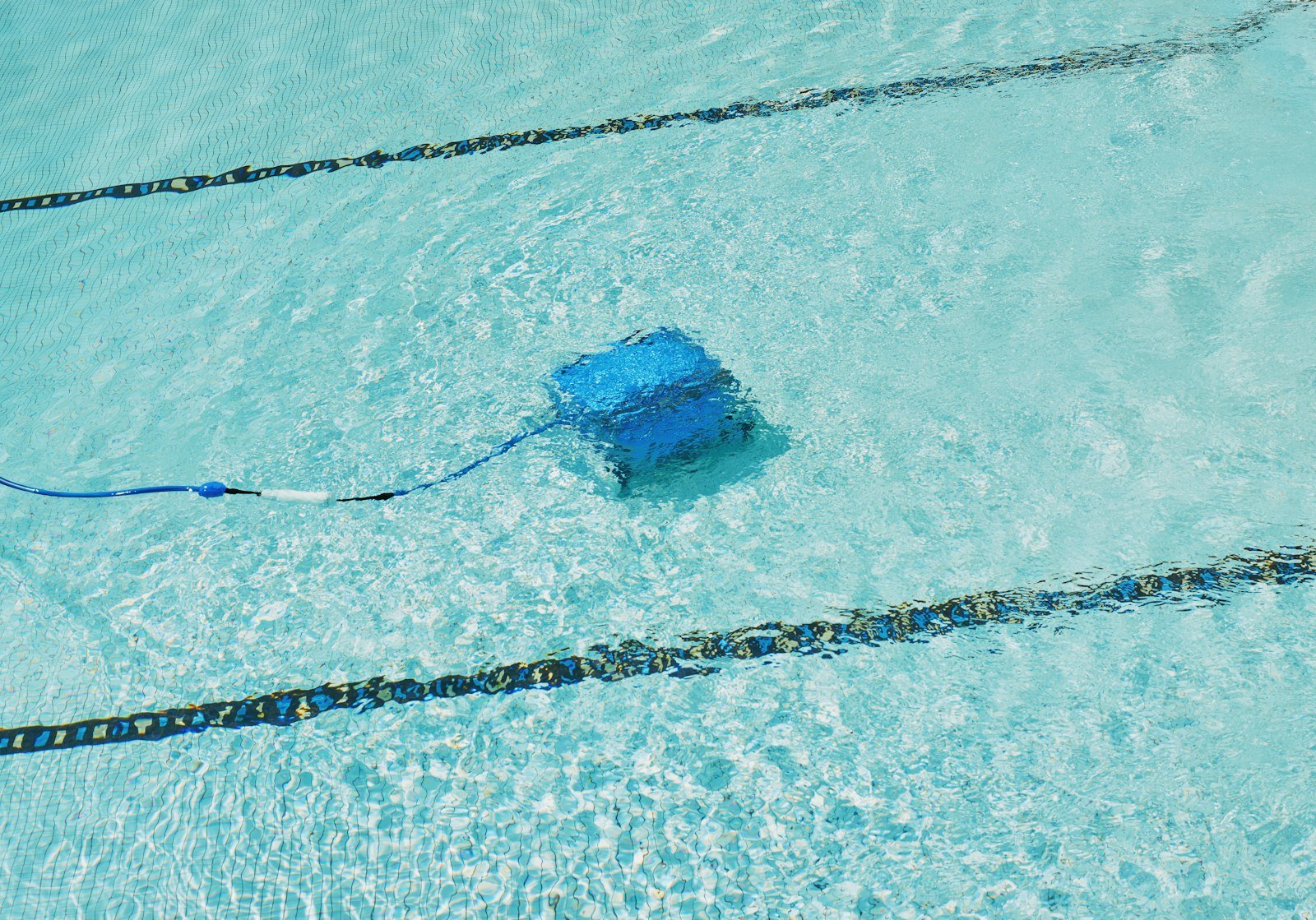
Daily operation covers surface skimming, vacuuming, brushing of walls and waterline, basket clearing, backwash on schedule, and chemical testing with dosing adjusted to the reading rather than to habit. Free chlorine, pH, alkalinity and stabiliser are the parameters that determine whether the water is both clear and actually sanitary — and clarity alone is not evidence of the second. Readings are recorded daily so the association can see the pool's history rather than its appearance on the day they walk past.
Bather load in a residential pool is spiky. A quiet Wednesday and a Sunday afternoon with forty children impose completely different demands, and summer holidays change the pattern for weeks. Dosing and filtration run times are adjusted for that rather than held flat, and after heavy use or a contamination incident there is a defined recovery routine instead of an optimistic top-up of chlorine.
Bather load in a residential pool is spiky.
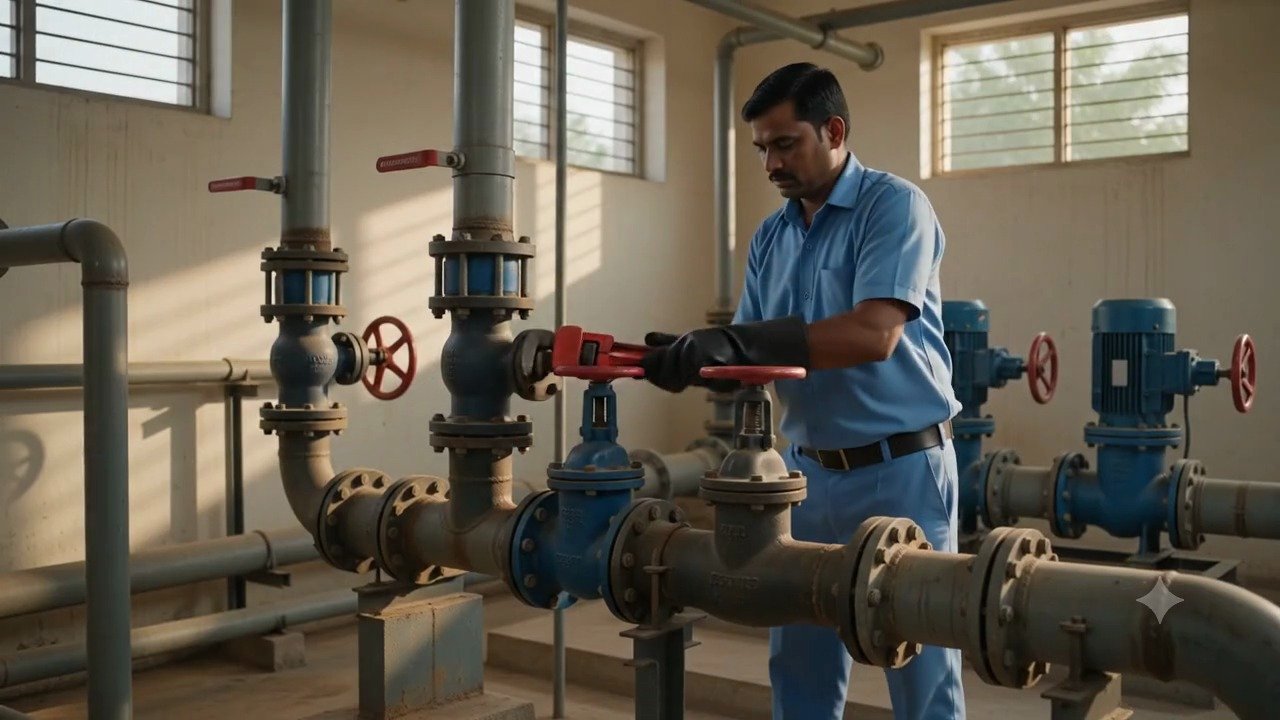
Equipment care runs alongside the water. Pumps, filters, media condition, chlorinators or salt systems, heaters where present, and the balance tank all have maintenance intervals. Filter media is replaced on condition, not on the assumption that sand lasts forever — degraded media is a common reason a pool stops holding clarity despite correct chemistry, and it is frequently misdiagnosed as a dosing problem for months.
Safety around the pool is part of the service and should be part of the community's rules. Depth marking, clear signage, rescue equipment kept accessible and in condition, secured access outside operating hours, and a stated position on unsupervised children all matter. We maintain the equipment and flag what is missing; the rules themselves and any lifeguard deployment are decisions for the association, and we will advise on both.
How we run it
- 01
Water and equipment baseline
Volume, turnover rate, filter condition and current chemistry are established before a routine is set.
- 02
Daily routine
Clean, test, dose, record — every day, with the log available rather than kept in a drawer.
- 03
Load adjustment
Filtration and dosing are adjusted for weekend and holiday bather load instead of running flat.
- 04
Periodic reset
Scheduled deep clean, media check and equipment service to stop slow decline.