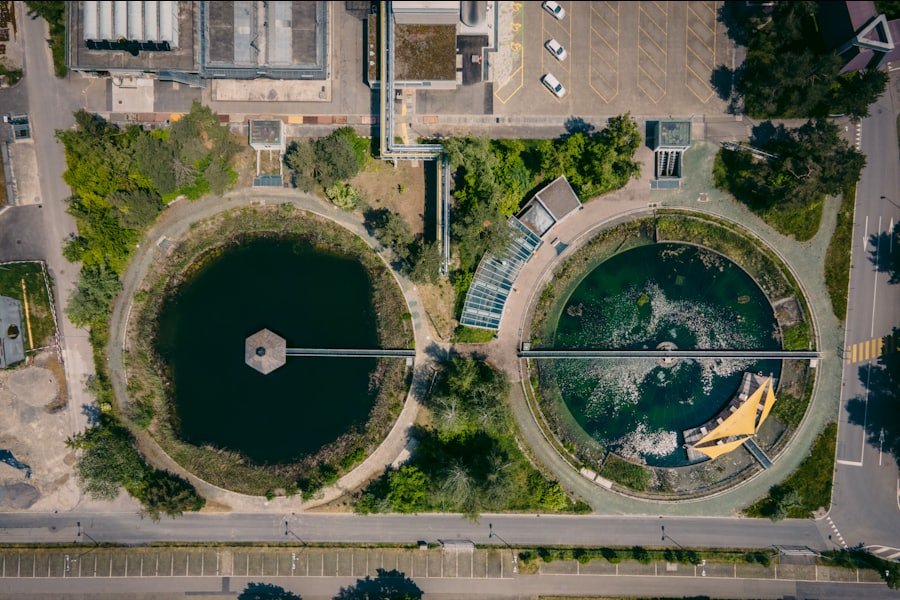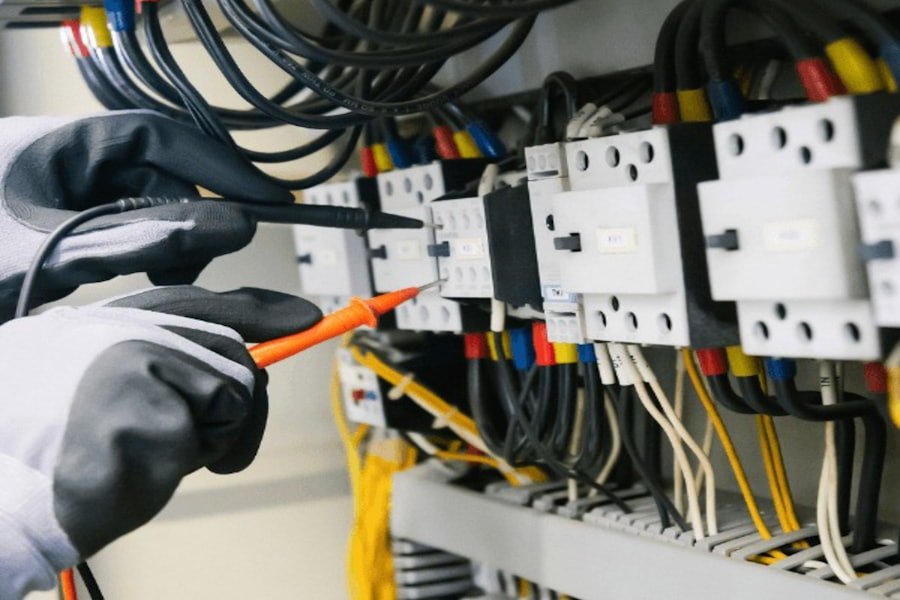
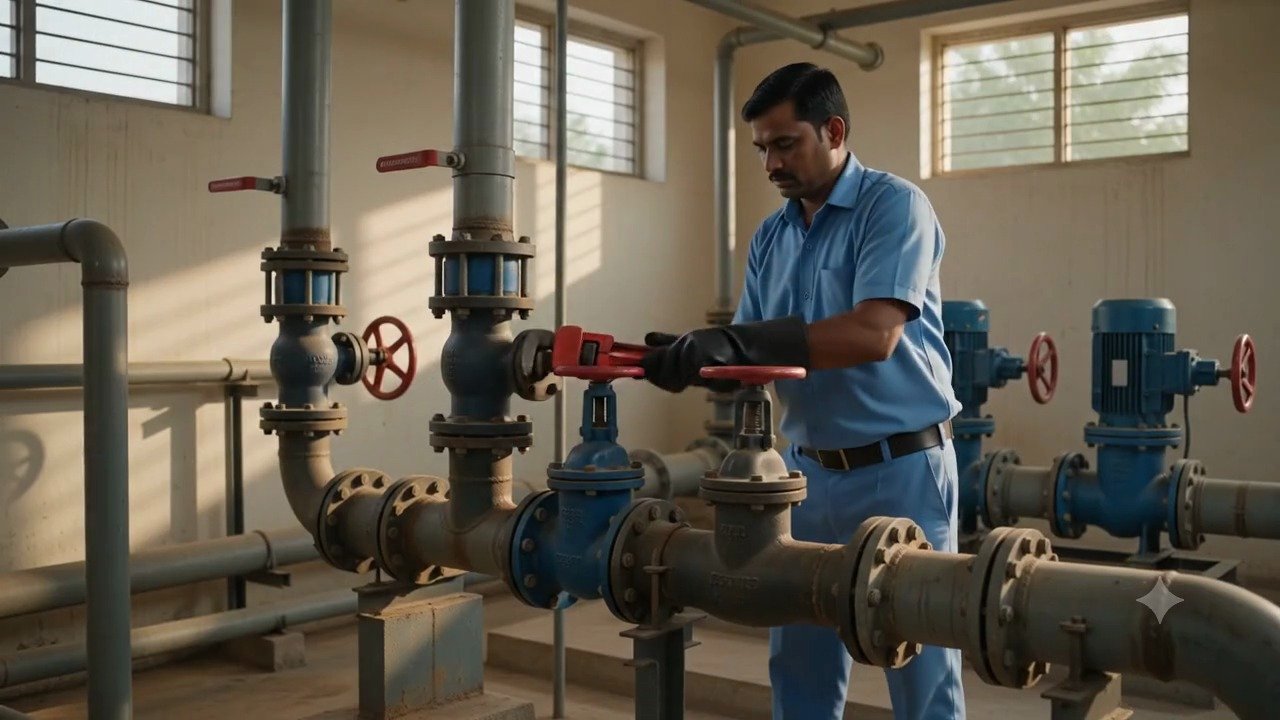
Water problems in a community are rarely one problem. A pressure complaint on the eleventh floor, a damp basement wall and a rising water bill are usually the same fault seen from three directions. We maintain the common plumbing system as a system, with scheduled checks on supply, pumping, storage and drainage.
The common water system runs from the source — borewell, municipal connection or tanker fill — through storage, pumping and distribution to every riser, and back out through drainage and stormwater. Our routine covers tank levels and condition, pump performance and cycling behaviour, pressure at the extremities of the network, valve condition, and the drainage lines that only announce themselves when they block.
Leak control deserves particular attention because in most communities it is invisible and expensive. Underground line leaks, overflowing tanks from a failed level control, and continuously running float valves waste water quietly for months and show up as a tanker bill nobody can explain. Scheduled meter observation and a periodic reconciliation between what enters and what is consumed makes that visible while it is still cheap to fix.
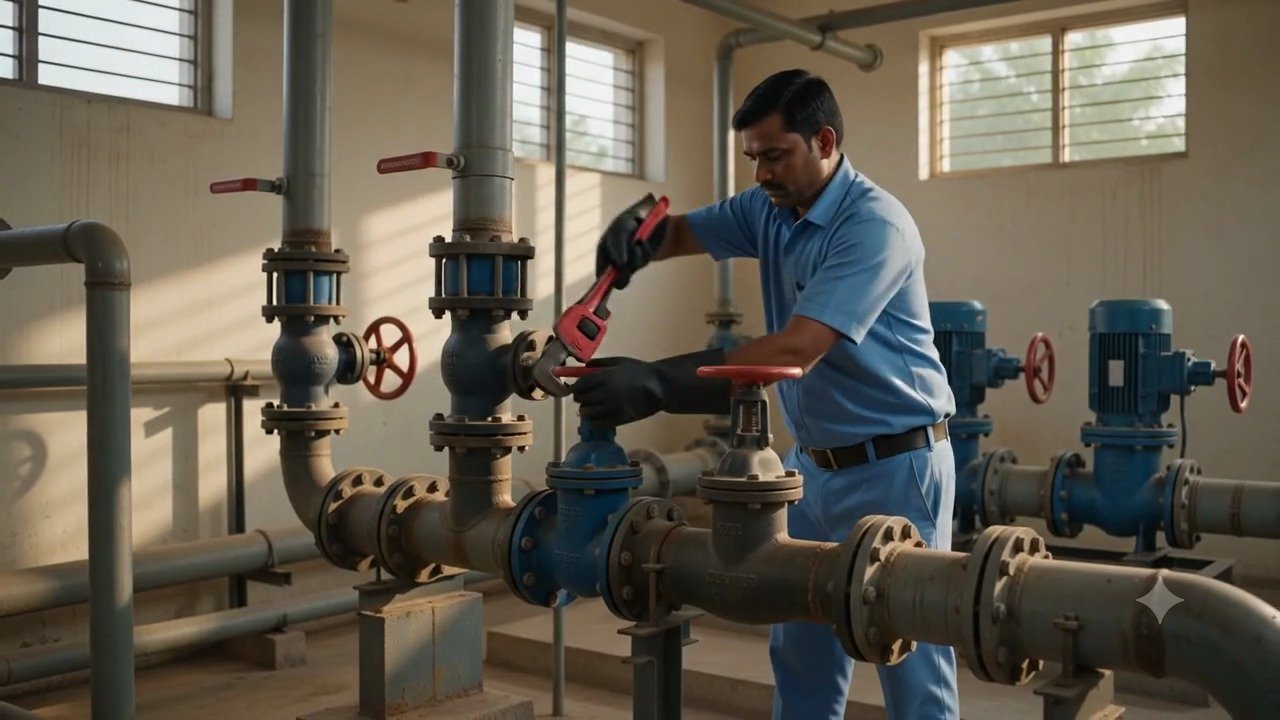
Leak control deserves particular attention because in most communities it is invisible and expensive.
Tank hygiene is scheduled rather than occasional. Underground sumps and overhead tanks are cleaned and disinfected to a defined cycle with the work recorded, because water storage that is cleaned when someone remembers is a health issue rather than a maintenance one. Where a community has water treatment or softening upstream, tank cleaning is sequenced with the plant so the two are not working against each other.
Monsoon preparation is a fixed piece of the calendar in Hyderabad and not an emergency. Stormwater drains, terrace outlets, podium drainage and basement sump pumps are checked and cleared before the season rather than during it. A basement pump that has not been tested since last year is not a standby, and the difference between those two positions is a flooded parking level.
How we run it
- 01
Network walk
Source, storage, pumping, risers and drainage are traced and recorded, including what the drawings no longer match.
- 02
Preventive schedule
Tanks, pumps, valves and drains each get an interval, with monsoon readiness fixed in the calendar.
- 03
Consumption watch
Meter readings are reconciled periodically so a hidden leak surfaces as a number, not a bill shock.
- 04
Recorded repair
Work carried out is logged against the asset, building a history the community keeps.