
Pest control in a community works on the breeding source, not on the sighting. Spraying a corridor after a complaint treats the symptom for a fortnight. We run a scheduled programme against the places pests actually come from — drains, chutes, basements, standing water and waste staging areas.
The standing programme covers general disinfestation of common areas, drain and manhole treatment, garbage chute and waste-staging treatment, basement and service-duct treatment, and rodent management using bait stations placed and mapped rather than scattered. Frequency is set by the community's conditions — proximity to open drains or vacant land, waste handling arrangement, basement dampness and season all shift the interval.
Mosquito control is the one residents ask about most, and it is largely a water problem. Larval breeding in stagnant water — blocked terrace outlets, unused sumps, water stored in construction areas, planters, and the pooled water in a basement corner that nobody looks at — produces far more mosquitoes than anything fogging can suppress. Our routine includes source reduction and larvicidal treatment of identified breeding points, with fogging used as a supplement at appropriate times rather than as the whole programme.
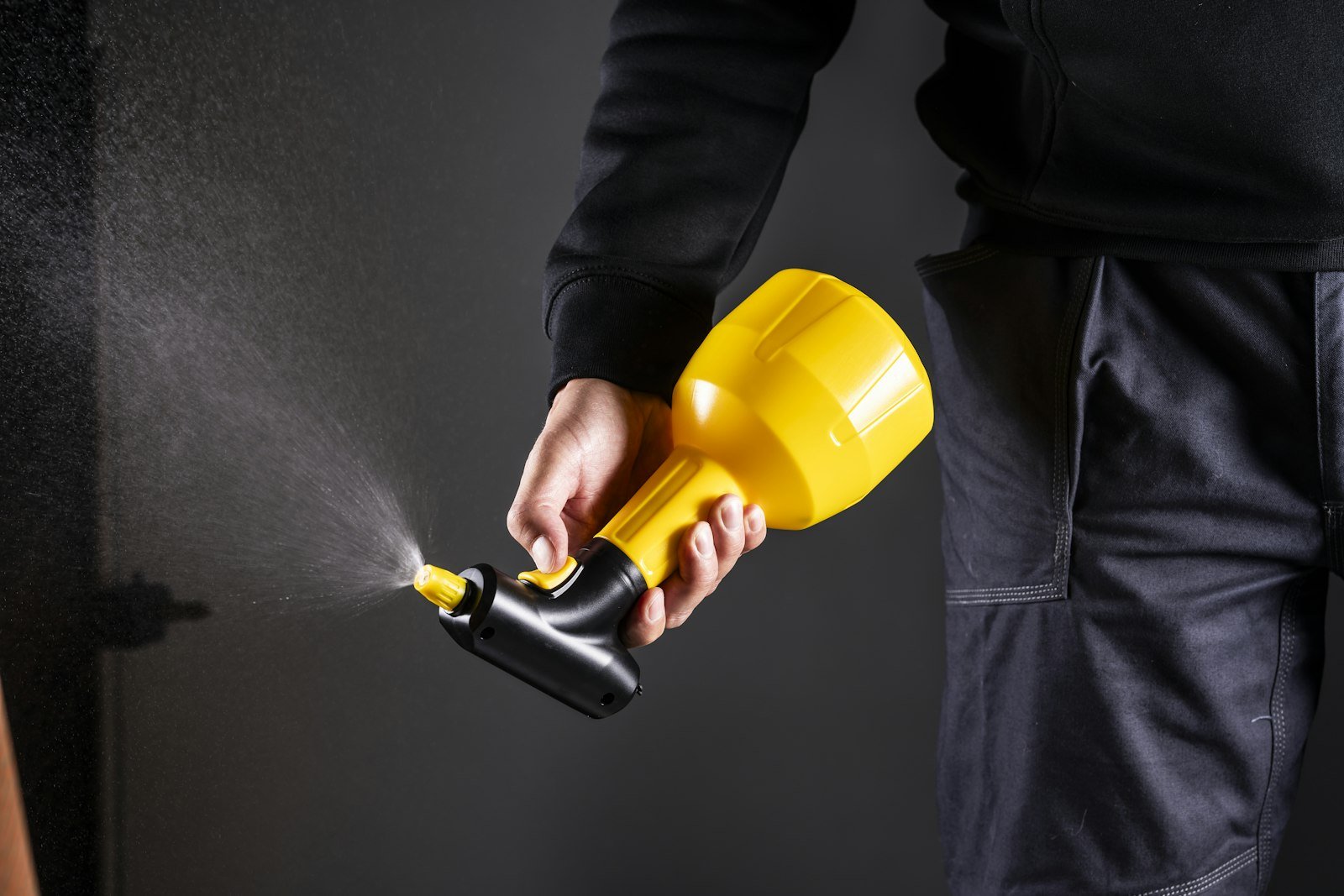
Mosquito control is the one residents ask about most, and it is largely a water problem.
Termite management is treated separately because it needs different work. Post-construction anti-termite treatment for affected structures, timber and joinery inspection in the clubhouse and common furniture, and treatment of identified activity are quoted as defined jobs. So is bed bug or cockroach work inside individual flats, which we can arrange for residents as a chargeable service kept outside the community contract.
Safety and communication govern the schedule. Treatments are notified in advance so residents can keep pets and children away from treated areas, chemicals used are declared with their safety information available, and work in amenity areas is timed for low occupancy. Anyone applying pest control chemicals should be using approved formulations at label dosage — an association is entitled to ask what is being sprayed in the space its children play in, and to get a straight answer.
How we run it
- 01
Source survey
Breeding and harbourage points are identified and mapped before a treatment schedule is written.
- 02
Scheduled programme
Frequency is set by site conditions and season, and treatments are notified to residents in advance.
- 03
Targeted response
A reported infestation gets an inspection and a specific treatment, not a general spray.
- 04
Effectiveness review
Complaint patterns are reviewed so a recurring problem changes the programme rather than repeating it.