Most communities do not have a BMS problem. They have a BMS that was installed, handed over, and then quietly stopped working — cameras offline, a fire panel in permanent fault, access control bypassed because it was easier. We operate these systems and keep them genuinely functional.
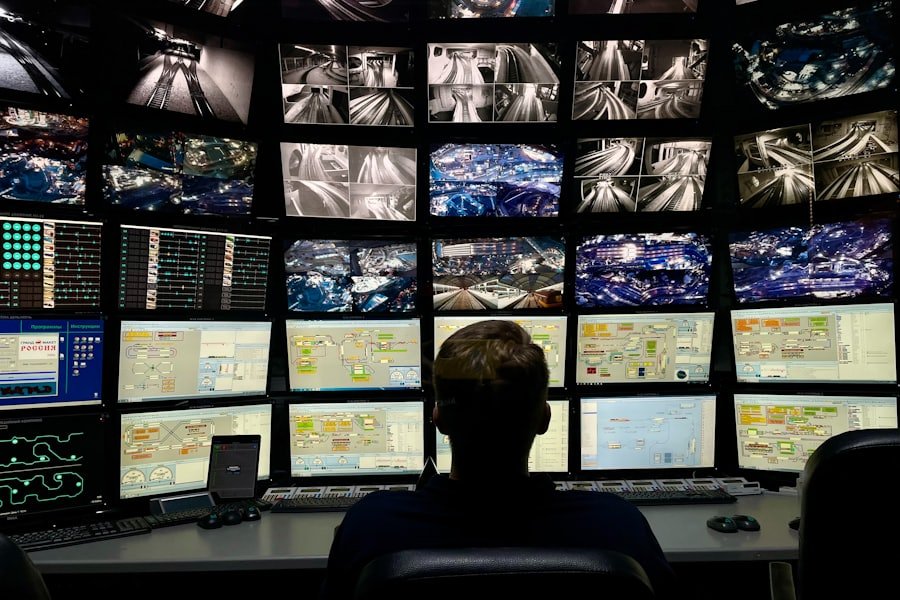
Scope covers CCTV surveillance and recording, access control at gates, lobbies and amenities, fire detection and alarm panels, public address where installed, lift and pump monitoring, and any building automation covering common-area lighting, HVAC or energy metering. The unifying job is the same across all of them: confirm daily that the system is actually doing what it is supposed to, and log it.
CCTV is the clearest example of why this matters. A camera system is worth exactly what its recordings are worth, and the moment a community needs footage is precisely when it discovers that four cameras have been offline for a month, the retention period was shorter than assumed, or the night image is unusable at the one angle that mattered. Our routine checks camera status, recording integrity, retention against the community's stated requirement, and image quality at the angles that count — before there is an incident.
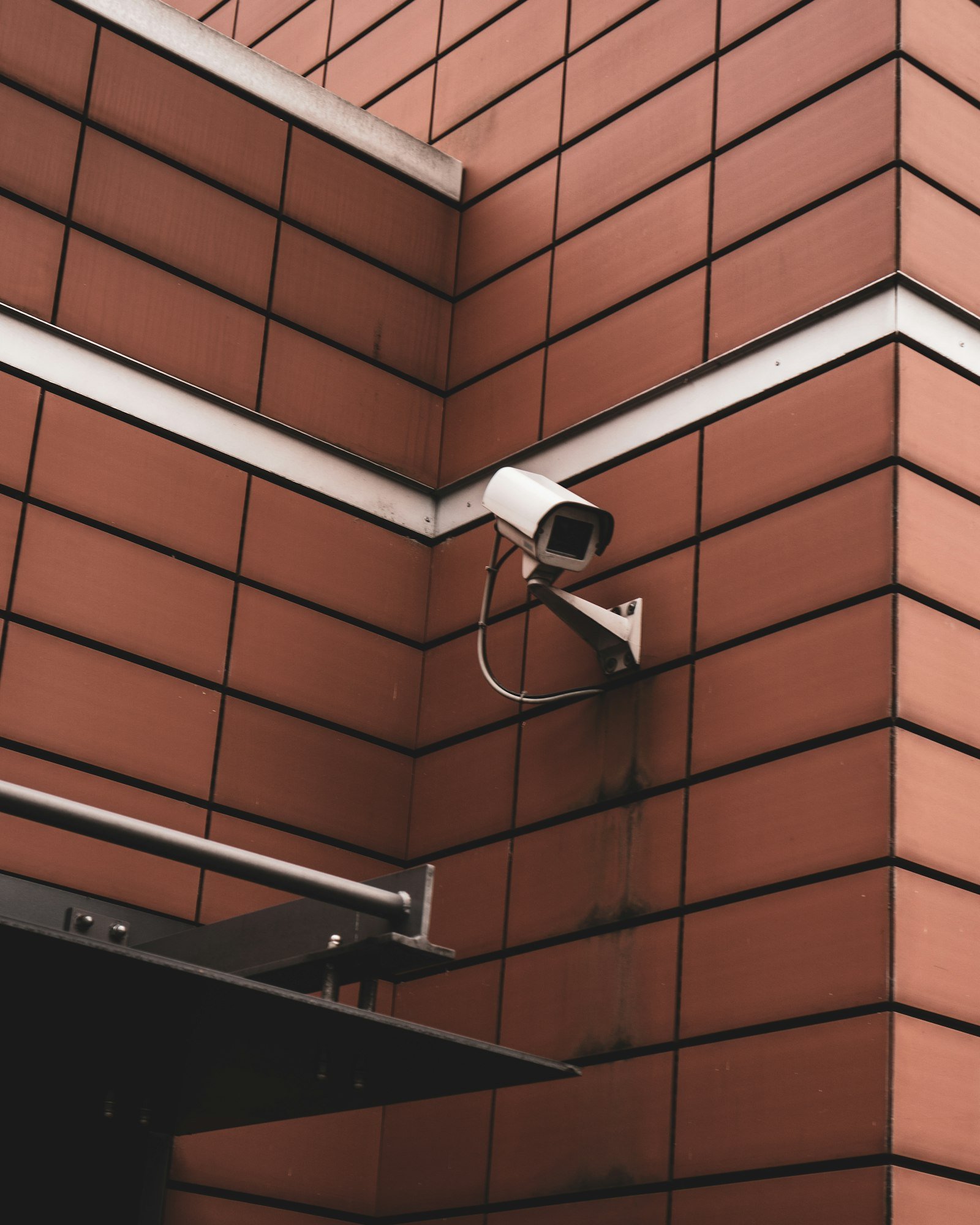
CCTV is the clearest example of why this matters.
Fire systems are a safety obligation, not a convenience. Detectors, panels, hooters, sprinkler and hydrant pressure, and pump auto-start are checked on a defined cycle, faults are logged and escalated rather than muted, and the panel is not left standing in fault as normal operating condition. Statutory fire compliance, NOC renewal and third-party certification remain the owner's responsibility; we maintain the systems and keep the evidence that supports it.
The most valuable thing this service produces is a truthful asset picture. Communities routinely carry systems they believe are working and are not, and discover the gap at the worst moment. Our first deliverable on any site is a written status of every system — what works, what does not, what is beyond repair and what a realistic restoration would cost — so the association can decide with facts instead of assumptions.
How we run it
- 01
System status audit
Every device and panel is checked and reported as working, faulty or beyond repair — in writing.
- 02
Daily verification
Camera status, recording, panel condition and alarm log are checked and recorded each day.
- 03
Fault escalation
Faults go to a log with severity and an owner. Nothing is silenced to make a panel look clean.
- 04
Restoration planning
Repairs and replacements are quoted with priority so the association can phase capital spend.